From Field to Frame: What Goes Into Creating a Fine Art Mountain Print
Dec 17, 2025
Most people experience mountain landscapes as a finished image—clean, quiet, and composed.
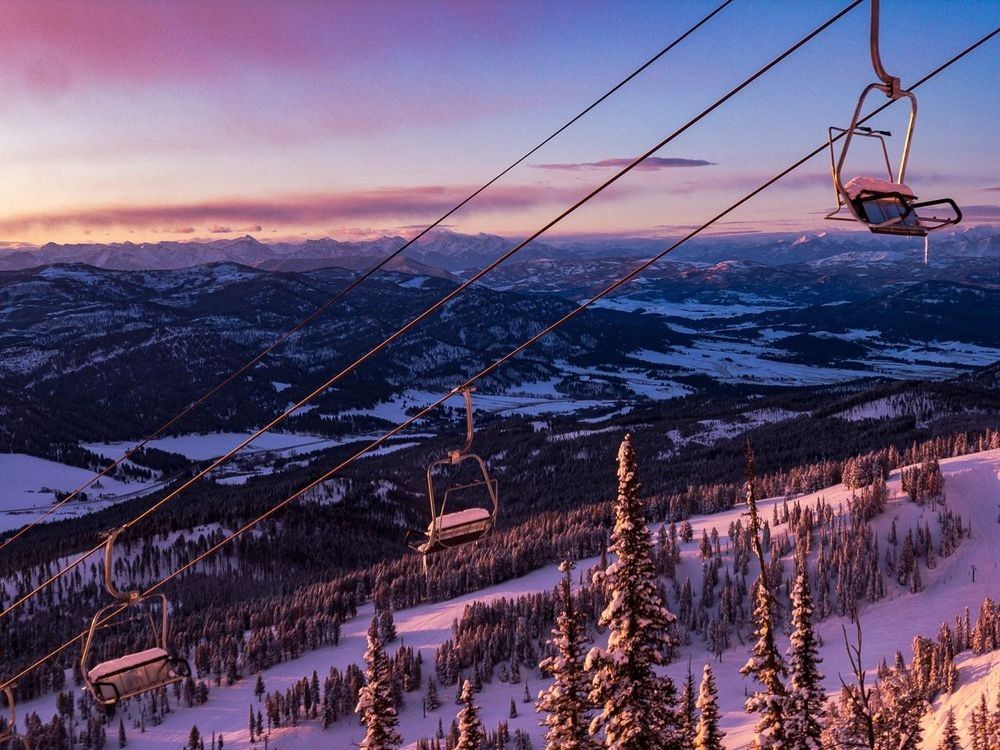
What they don’t see is everything that happened before the shutter clicked, and everything that happens after, to turn a fleeting moment into a fine art print meant to live on your wall for decades. You can browse the full collection of Montana landscape photography prints at Prints by JT.
This is the story of how a mountain photograph becomes a print.
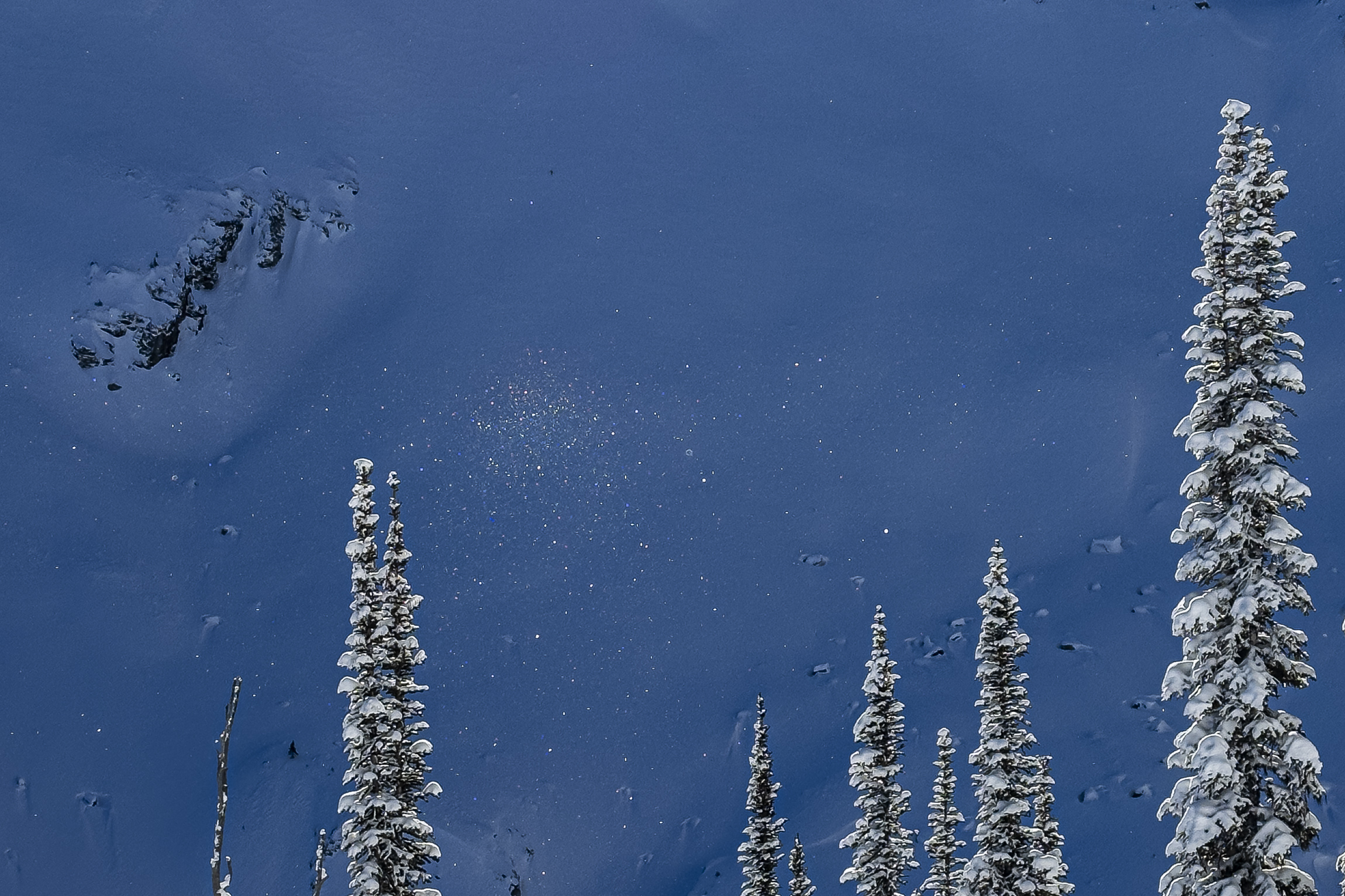
It Starts Long Before the Camera Comes Out
A fine art mountain print doesn’t begin in Photoshop. It begins with time.
Time spent learning a place. Watching how light moves across a ridgeline. Noticing how snowpack changes the shape of a mountain from one season to the next. Understanding when a location works—and when it doesn’t.
Some locations I return to dozens of times without making a single frame worth printing. The conditions aren’t right. The light is flat. The weather hides the story instead of revealing it.
That patience matters. Mountains don’t offer their best moments on demand.
Waiting for the Right Conditions (Not Just “Good Weather”)
The difference between a photograph and a fine art print often comes down to restraint.
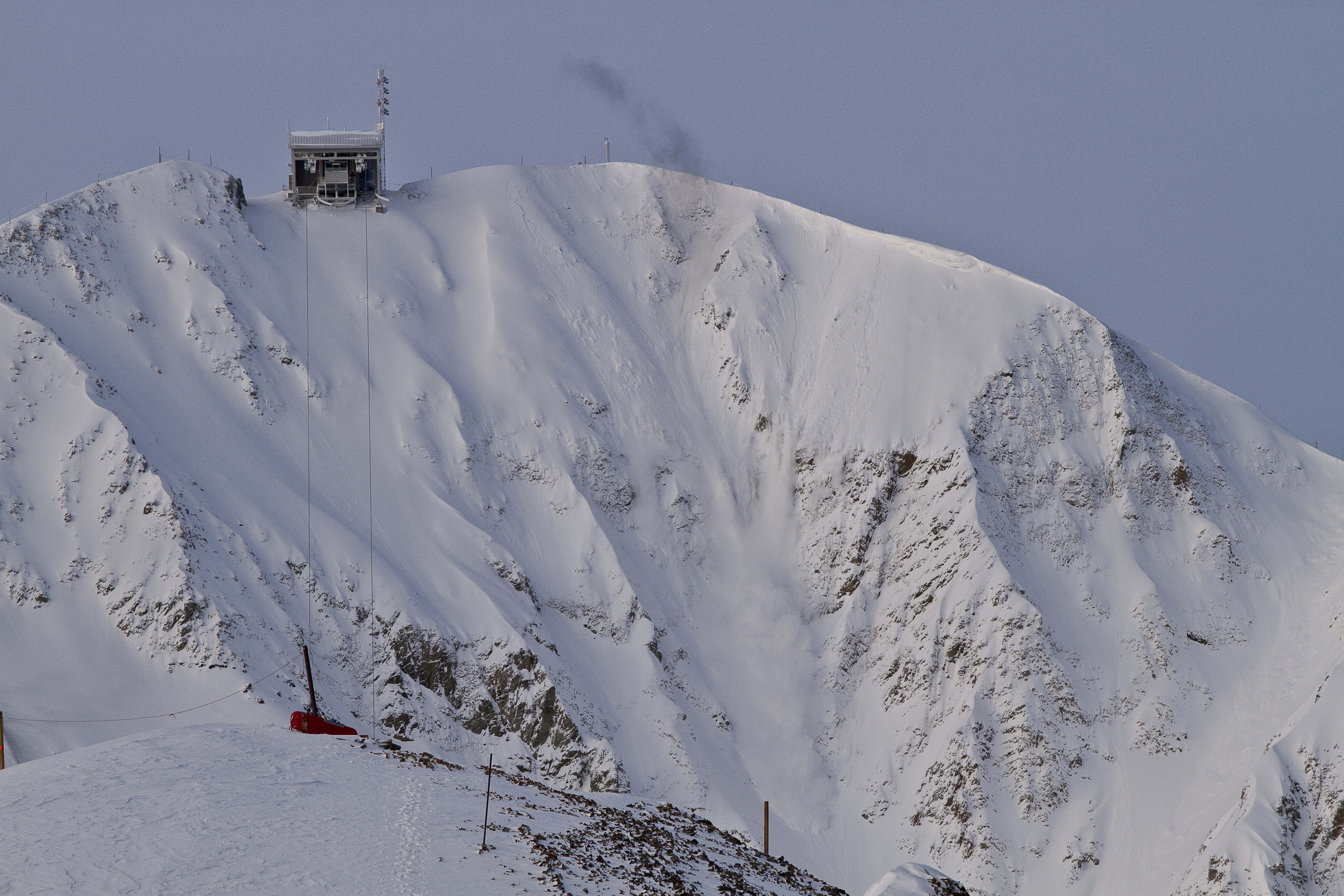
Clear skies don’t always create compelling images. In fact, some of the strongest mountain photographs happen in imperfect conditions—approaching storms, broken cloud layers, early winter snow, or that brief window when light cuts through for only a few minutes.
Those moments are unpredictable. They require early mornings, long approaches, and a willingness to walk away empty-handed.
When everything aligns—light, weather, season, and perspective—the image feels less like it was taken and more like it was given.
Those are the moments that become prints.
Composing for a Wall, Not a Screen
Shooting for print changes everything.
A photograph meant for a phone screen can rely on contrast and immediacy. A fine art print needs to hold attention over time. It has to breathe.
When composing in the field, I’m already thinking about:
-
How the image will feel at large scale
-
Where the eye enters and rests
-
Negative space that allows a room to feel calm rather than busy
-
Whether the image will still feel strong when viewed from across a room
The goal isn’t visual noise—it’s presence.
The Edit: Preserving What It Felt Like to Be There
Editing a mountain photograph is about restraint, not enhancement.
My approach is to preserve the emotional truth of the scene:
-
Natural color tones
-
Accurate contrast
-
Subtle transitions in light and shadow
-
Detail without over-sharpening
If a print looks dramatic but doesn’t feel believable, it won’t last.
If it feels honest, it will.
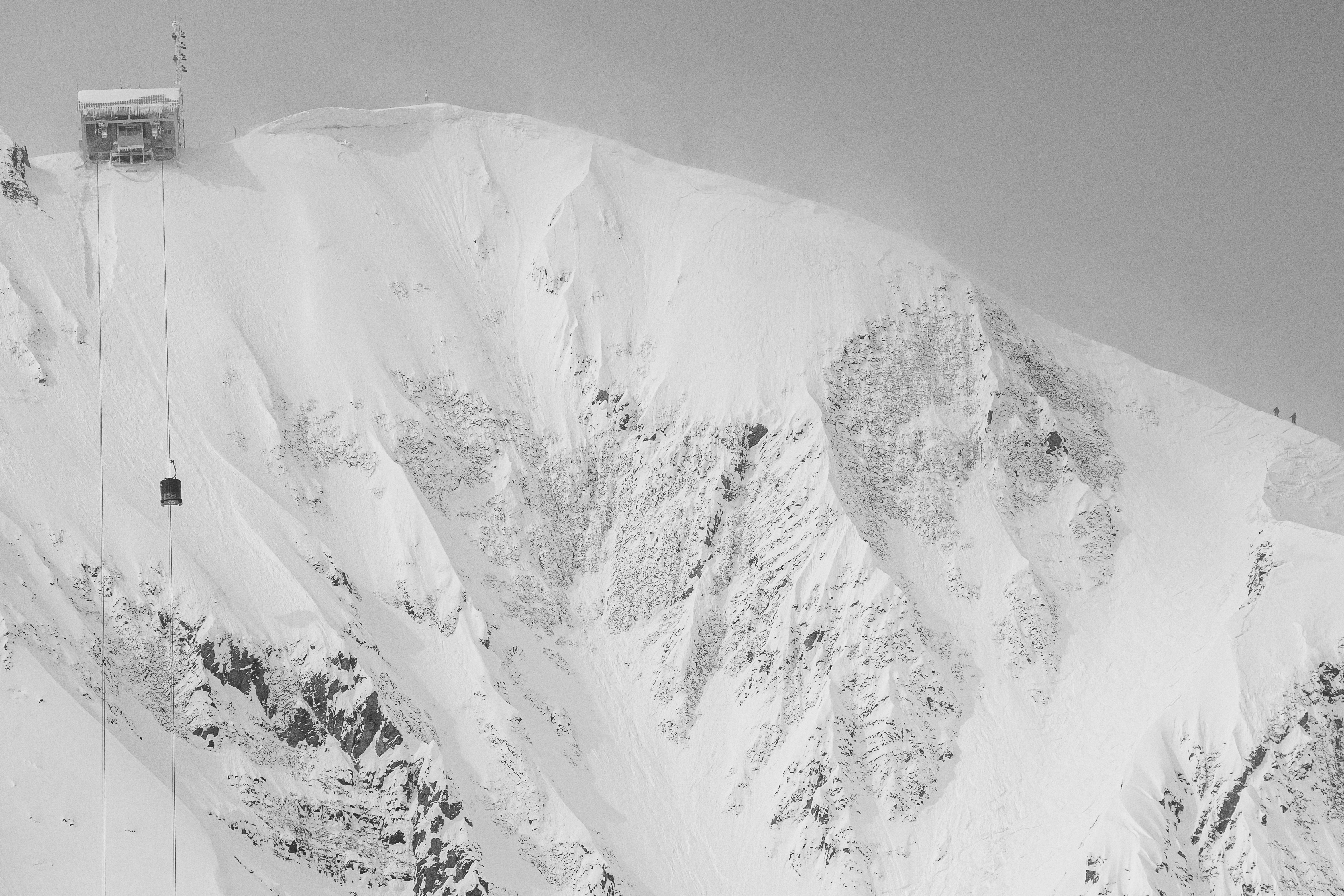
Print Materials Matter More Than Most People Realize
Not all prints are created equal.
Paper choice, ink quality, and calibration play a massive role in how a photograph holds up over time. Fine art papers have depth. They absorb ink differently. They render subtle color shifts in a way glossy prints simply can’t.
Every print is produced to ensure:
-
Archival longevity
-
True-to-life color accuracy
-
Texture that complements the landscape
-
Consistency across sizes
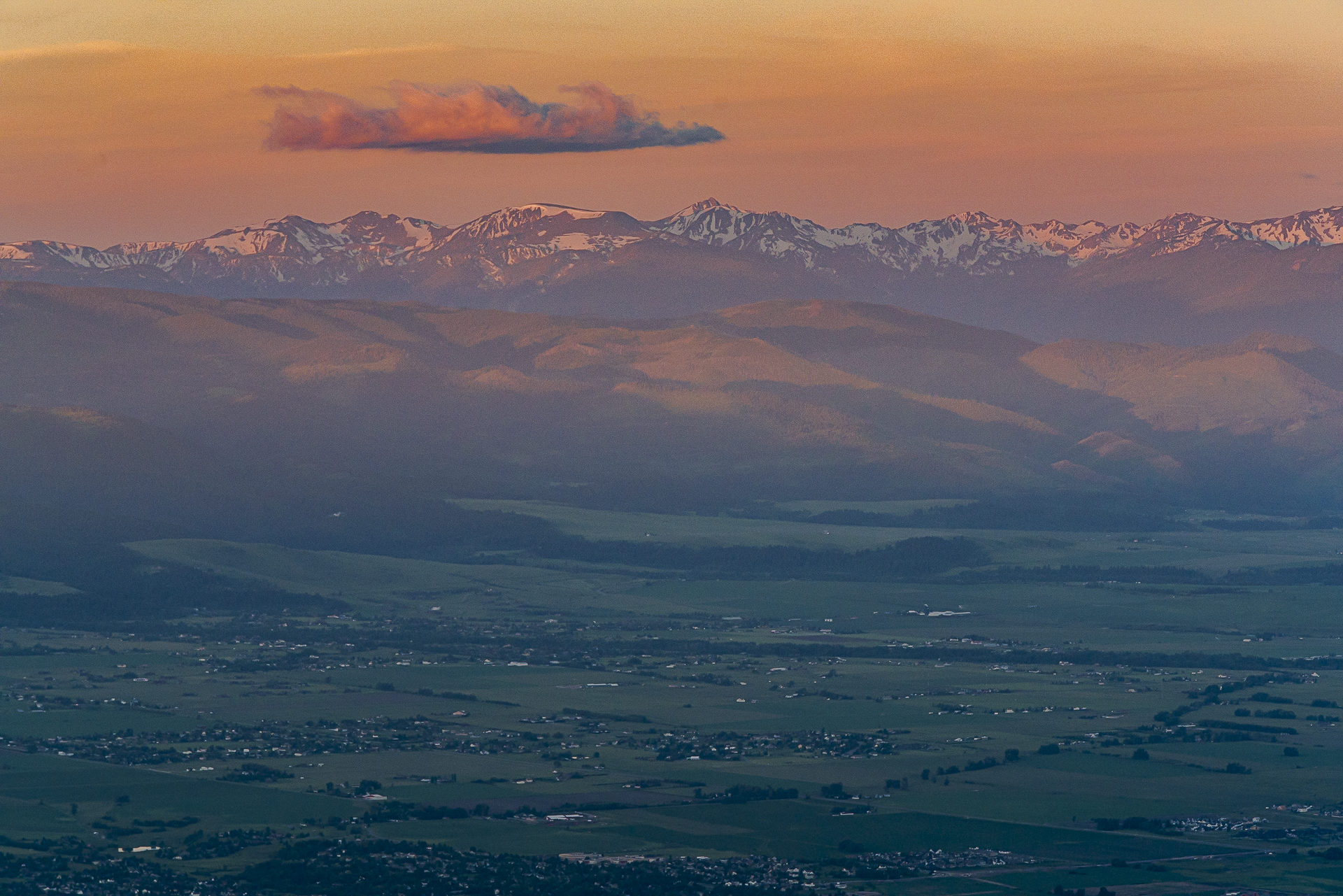
These standards apply across every medium in the collection — from cool tone mountain prints to warm tone Gallatin Valley work.
The goal is simple: the print should feel like a window, not a poster.
Why Some Moments Become Prints—and Others Don’t
Not every image deserves to be printed.
Some photographs are meaningful personally but don’t translate to a physical space. Others work beautifully small but fall apart when scaled. I’m selective about what becomes a print because your wall deserves intention.
When you bring a mountain print into your home, you’re not just buying an image—you’re choosing a moment that earned its place.
Bringing the Mountains Home
Mountain landscapes carry memory. They remind us of places we’ve been, trips that changed us, or places we hope to return to.
A fine art print isn’t about decoration. It’s about connection.
If you’re considering a mountain print and want insight into sizing, placement, or upcoming limited releases, I occasionally share behind-the-scenes stories and early access with my email list.
Explore the full gallery of fine art Montana landscape photography prints, or contact Jason directly about sizing, mediums, or upcoming limited releases.