What Is Polaroid Emulsion Transfer Art? | Prints by JT
Jul 27, 2026
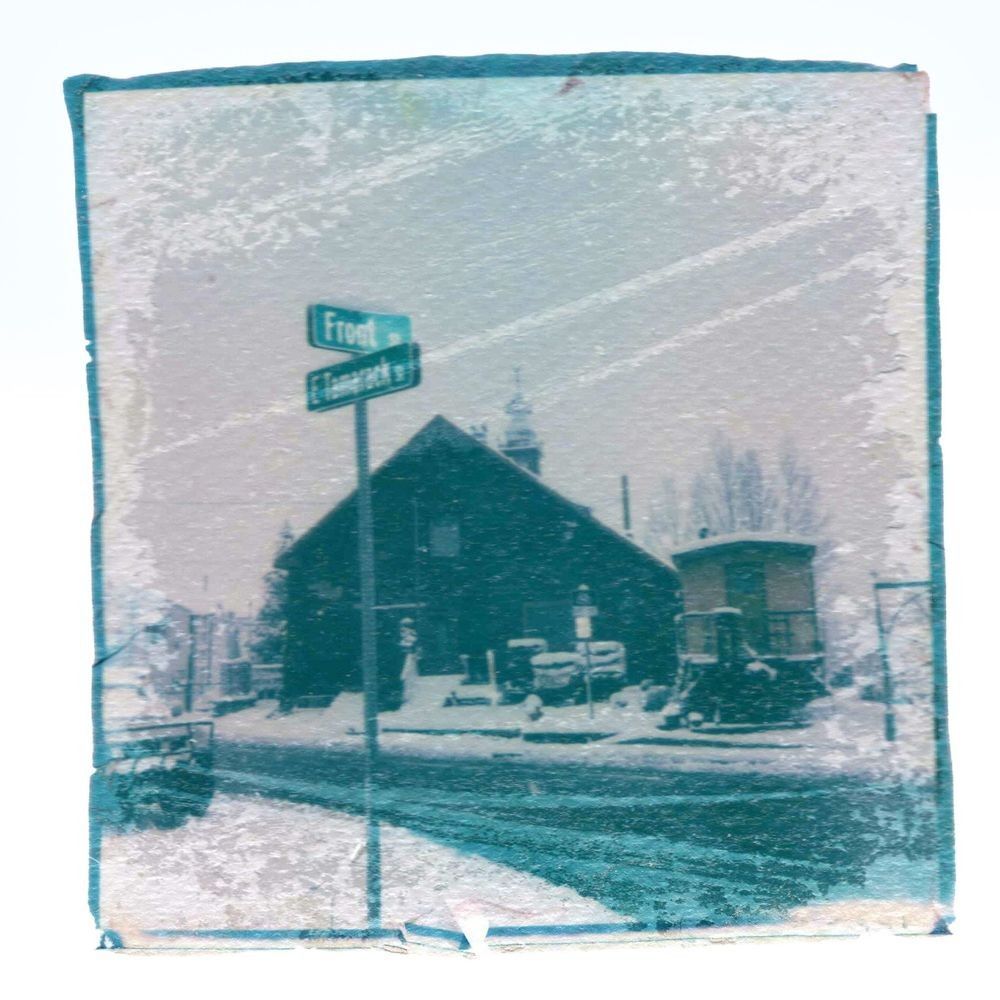
What Is Polaroid Emulsion Transfer? A Rare Analog Art Process Worth Understanding By Jason Thompson · Prints by JT · Bozeman, Montana There's a moment — maybe thirty seconds — when the emulsion peels free from the Polaroid film and floats in the water bath like a translucent skin. It wrinkles. It folds. It does something you didn't plan. Your job is to coax it onto the substrate before it dries and becomes permanent. That's Polaroid emulsion transfer. I've been making them for years. No two are ever the same.What the Process Actually Is Polaroid emulsion transfer — also called emulsion lift — is an analog photographic technique where the light-sensitive emulsion layer is physically separated from a Polaroid photograph and transferred onto a new surface: watercolor paper, fabric, wood, or glass. The result looks nothing like a conventional photograph. It looks like a painting, a memory, something between the two. The emulsion is paper-thin and shifts during transfer, creating organic wrinkles and soft edges that are impossible to replicate digitally. Colors shift. Details that were sharp in the source image take on a dreamlike quality. Here's how it works in practice: 1. Expose and develop the film. The image is shot in reverse, since the transfer will flip it. 2. Soak in hot water. Around 140°F for a few minutes — long enough to loosen the emulsion from the backing. 3. Separate the emulsion. Gently, with your fingers or a soft brush. It lifts off in one piece, ideally — a fragile layer floating in the water. 4. Transfer to the substrate. You lay it onto the surface and use a brush and your hands to smooth, stretch, or intentionally wrinkle it. Speed matters. Once it dries, it's set. Every variable — water temperature, timing, how you hold the emulsion, the humidity in the room — affects the outcome. Two transfers from the same negative will never look identical. That's not a bug. It's the whole point. Why Collectors Pay Attention Fine art collectors look for what mass production cannot replicate. An emulsion transfer is genuinely one of a kind. There is no digital file behind it waiting to become fifty more prints. The piece you buy is the piece — physical, fragile, unrepeatable. When I list originals in my gallery, I mark them as such, because that's what they are. There's also something about the texture that collectors respond to in person. Most people are used to encountering photographs behind glass. An emulsion transfer exists on its surface. You can see the dimension. The wrinkles catch light differently depending on the time of day. The piece changes depending on where you're standing. For people who buy art because they genuinely love it — not to fill wall space, but to live with something — emulsion transfers are hard to walk away from. The Street Signs in Bozeman Series The work I'm most proud of in this medium is my Street Signs in Bozeman series. The concept is simple: I photograph street signs around Bozeman — weathered ones, obscure intersections, corners that hold some personal meaning — and transfer them using the emulsion lift process onto watercolor paper. What comes out is stranger and more interesting than either the photo or the sign alone. The familiar becomes unfamiliar. People who grew up here often recognize these images and feel something they didn't expect to feel about a sign they've driven past a thousand times. The series is ongoing. Because each piece is original, once originals sells, their gone. A Note for Interior Designers If you source art for clients who want something genuinely original, emulsion transfers are worth adding to your toolkit. A few things worth knowing: — Scale. These pieces tend to be smaller than large landscape prints, which makes them ideal for intimate spaces — reading nooks, hallways, powder rooms, or as anchors in a curated gallery wall. — Material pairing. The organic quality of emulsion on watercolor paper works exceptionally well alongside linen, raw wood, and natural stone. They feel at home in spaces with warmth and material depth. — Provenance. Clients building a collection — not just decorating — respond strongly to work that is documented and unrepeatable. I can provide that documentation for each piece. I'm happy to work directly with designers on sourcing, commissions, or making work available ahead of public listings. If you'd like to feature my work on your site or in your portfolio, I'm open to that conversation too. Reach out at hello@printsbyjt.com Display Notes A few practical considerations if you're buying or recommending this work: — Avoid direct sunlight. UV-protective glazing makes a real difference for long-term preservation. — Float mount or open mat. The edges of the emulsion are often irregular and worth showing — don't hide them under a standard overmatt. — Climate-controlled spaces. Watercolor paper is somewhat sensitive to humidity extremes. Avoid exterior walls in very cold climates. See the Work The full collection — including the Street Signs in Bozeman series and landscape emulsion transfers — is at printsbyjt.com/polaroid-emulsion-lifts Because these are originals, inventory changes as pieces sell. Subscribers to my email list get first access to new pieces before they're listed publicly. If you're a collector or designer looking for something specific, get in touch. I'd rather talk about the work. hello@printsbyjt.com · Bozeman, Montana Jason Thompson is a fine art photographer based in Bozeman, Montana, specializing in Polaroid emulsion transfer originals and Montana landscape photography. His gallery, Prints by JT, ships fine art prints and originals worldwide.